Monster SVG: A Graphic Designer’s Take on a Versatile Design Asset
The First Impression
When I first opened the Monster SVG bundle, I was struck by its boldness and energy. The visual language is unmistakably modern, with a strong emphasis on geometric shapes and dynamic forms that suggest movement and power. It feels like something you’d see in a high-energy brand or a campaign targeting younger audiences. The mood is intense yet approachable, making it suitable for a wide range of projects—from digital marketing to handmade branding.
Fitting Into Real-World Projects
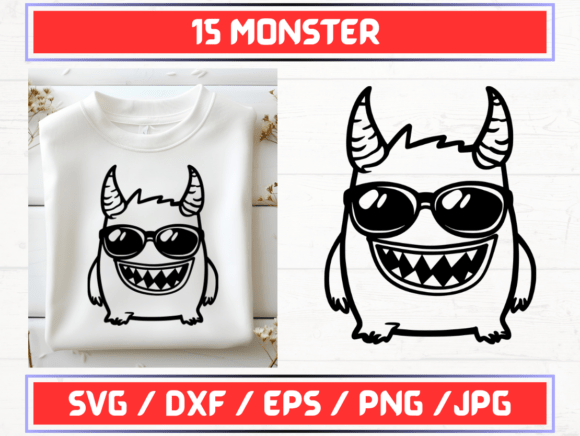
As a designer working on a small business branding project for a boutique line of handmade candles, I found Monster SVG to be an excellent fit. The collection offers a variety of elements that can be used as decorative accents, product labels, or even as part of a logo design. The 15 SVG files are especially useful for creating scalable vector graphics that maintain quality at any size, which is crucial for both digital and print applications.
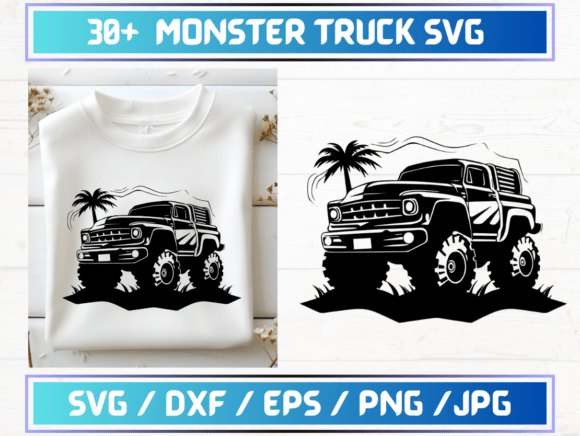
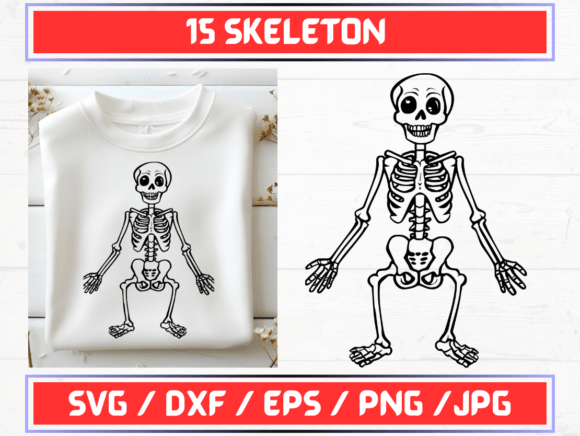
For a seasonal campaign, the asset could serve as the backbone of social media graphics, website banners, or email templates. The PNG and JPG files provide high-resolution options for use in Canva templates, while the EPS and DXF formats make them ideal for print-on-demand products and sublimation designs. The transparent backgrounds ensure that the assets blend seamlessly into any background without requiring additional editing.
Where Monster SVG Shines
Monster SVG excels in large layout areas where it can act as a hero graphic or a central visual element. It works particularly well in product mockups, packaging design, and editorial layouts where a strong visual anchor is needed. For example, using one of the SVG files as a sticker design for a t-shirt or mug can elevate the overall look of the product. Similarly, the asset can be used as a decorative accent in a blog post or as a supporting element in a branded flyer.
In themed collections, such as a Halloween or holiday campaign, Monster SVG provides a consistent visual language that can unify multiple design elements. Its versatility makes it a great choice for creating a cohesive brand identity that includes everything from logos to social media graphics. The ability to edit SVG files also means that designers can customize the elements to better match the client’s vision.
Where Caution Is Needed
However, there are scenarios where Monster SVG might not be the best fit. In minimalist branding or professional corporate materials, the boldness of the asset could clash with the desired aesthetic. It’s important to test how the design performs in low-contrast environments and at small sizes. When placed on crowded layouts, the elements might become overwhelming, so careful placement and layering are necessary.
Additionally, when working with serif or sans-serif fonts, the visual weight of Monster SVG should be considered to maintain a balanced hierarchy. If the design requires a very clean visual structure, the asset might need to be used more sparingly or paired with simpler elements.
Design Considerations
Before using Monster SVG for a commercial project, I recommend testing it in black and white to ensure it maintains readability and visual impact. Checking contrast on both light and dark backgrounds is essential for ensuring accessibility and professionalism. Previewing the asset at different sizes helps determine its effectiveness in various contexts, from a billboard to a mobile ad.
It’s also important to inspect the PNG transparency and verify that all file formats are correctly optimized for their intended use. The inclusion of EPS and DXF files is a plus for designers who need to work with vector graphics in professional software. Confirming the commercial license is another critical step before using the asset for a client project, especially if the design will be used in print-on-demand or Etsy products.
Practical Designer Notes
- Test it in black and white to ensure it remains legible and visually engaging.
- Check contrast on both light and dark backgrounds for accessibility and visual appeal.
- Preview at different sizes to assess scalability and performance in real-world applications.
- Place it on real mockups to evaluate how it integrates with other design elements.
- Test print quality to confirm that the asset maintains clarity and sharpness when printed.
- Review file formats to ensure they meet the specific needs of the project.
- Inspect PNG transparency to avoid unwanted background colors in final outputs.
- Check SVG or vector editability for customization in design software.
- Compare with different font styles to maintain visual harmony and balance.
- Confirm commercial licensing to ensure legal compliance for client projects.
Conclusion
Monster SVG is a powerful graphic design asset that offers a wide range of possibilities for designers working on creative marketplace projects, brand identity development, and digital marketing campaigns. While it may not be suitable for every project, its versatility and high-quality formats make it a valuable addition to any designer’s toolkit. With proper consideration and testing, it can enhance the visual appeal and professionalism of a wide array of design projects, from handmade businesses to commercial design assets.