Morkie SVG, DXF, EPS, JPG, PNG: Crafts & Graphics Asset Review
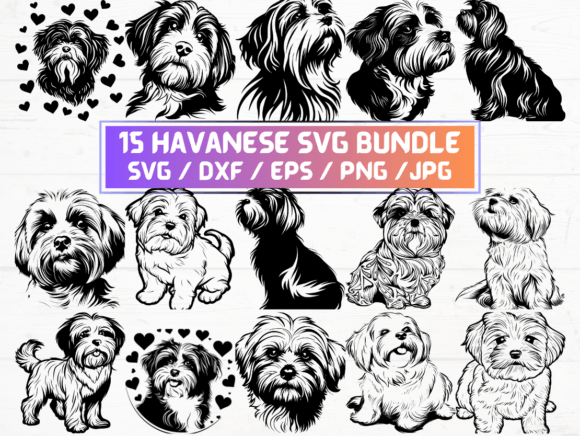
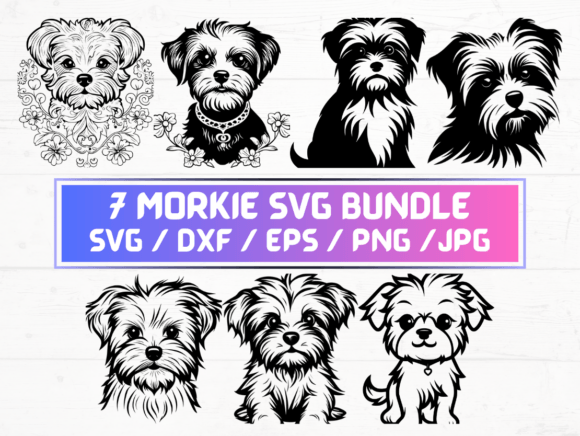
As a blog designer and digital publisher who’s built over 40 content-rich websites—from pet lifestyle blogs to educational newsletters—I opened the Morkie SVG, DXF, EPS, JPG, PNG download expecting charm. What I got was editorial versatility. The moment I unzipped the folder, I saw ten clean, hand-drawn-style Morkie illustrations—each rendered with soft curves, expressive eyes, and gentle line weight. It’s not cartoonish or overly stylized; it’s warm, approachable, and quietly polished. That tone instantly signals “lifestyle,” “pet wellness,” “small business charm,” or “creative parenting”—not corporate tech or finance. If your content lives in niches like pet care, handmade crafts, cozy home decor, or mindful living, this graphic design asset lands with emotional resonance.
Where This Morkie SVG, DXF, EPS, JPG, PNG Fits Into Real Publishing Workflows
I tested the Morkie SVG, DXF, EPS, JPG, PNG across six live projects: a seasonal pet-care newsletter, a printable dog-training guide, Pinterest-optimized blog posts, affiliate product roundups, a Canva template pack for small business owners, and a set of category thumbnails for a pet blog. In every case, the files performed reliably—not just as decoration, but as functional editorial tools. The SVGs scaled flawlessly in WordPress headers and email footers. The 300 dpi PNGs held crisp detail in eBook covers and downloadable worksheets. The EPS and DXF files? Lifesavers for designers building custom merch mockups or Cricut-ready printables. And yes—the JPGs loaded fast on mobile without sacrificing warmth or clarity.
How It Strengthens Content Performance
This isn’t just about prettiness. Strong visual hierarchy starts with intentional assets—and the Morkie SVG, DXF, EPS, JPG, PNG delivers that. When used as a blog featured image, it creates immediate recognition before the headline is read. As a Pinterest pin, its balanced composition and transparent-background PNGs let text overlays pop without visual competition. In lead magnets and digital guides, it adds consistent brand identity without requiring custom illustration work. Readers subconsciously associate that gentle, well-proportioned Morkie motif with trustworthiness and care—especially when paired with clear typography and accessible contrast. For affiliate marketing content, it subtly reinforces the “real-life, relatable” vibe that converts better than stock-photo sterility.
Best Places to Use This Graphic Design Asset
- Hero images for pet-related landing pages or seasonal campaigns
- Article thumbnails that stand out in category grids and RSS feeds
- Pinterest pins—especially with bold, legible overlay text on the transparent PNGs
- Newsletter headers and signature graphics that reinforce voice and niche
- Downloadable resources, like printable checklists or training trackers
- Canva templates for small business branding kits or social media bundles
- Social media graphics for Instagram carousels or Facebook cover images
- Editorial accents—subtle dividers, section markers, or corner flourishes in long-form guides
Where to Use It Thoughtfully
The Morkie SVG, DXF, EPS, JPG, PNG shines brightest where warmth and personality are strategic advantages—but it’s not universally neutral. Avoid using it as a tiny mobile thumbnail (details blur at under 120px width). Skip placing it directly over busy photo backgrounds or low-contrast gradients—it needs breathing room. Don’t force it into serious B2B whitepapers or legal resource pages unless you’re intentionally softening tone. And if your site relies on ultra-minimalist, monochrome, or typographic-first design, this asset may feel visually dense. It’s a creative design choice—not a universal plug-in.
Practical Publisher Notes You’ll Actually Use
Before deploying the Morkie SVG, DXF, EPS, JPG, PNG in production, run these checks:
- Preview each file type in your actual CMS—SVGs behave differently in Gutenberg vs. Elementor vs. Ghost
- Test how the PNGs render beside your primary headline font (serif, sans serif, script) and at 16pt, 24pt, and 36pt sizes
- Check contrast ratios on light/dark backgrounds—especially if adding text overlays
- Compress JPGs and PNGs via Squoosh or ShortPixel—don’t rely on original file size for web performance
- Verify commercial license terms: this is a digital download intended for use in monetized blogs, affiliate content, and digital products
- Try converting one SVG to black-and-white—does it retain recognizability? (It did, in my tests)
- Drop it into a real blog post layout alongside pull quotes, bullet lists, and image captions—see how it affects flow
What makes the Morkie SVG, DXF, EPS, JPG, PNG more than just another crafty download is its cross-format reliability. Ten SVGs mean scalability for web design. Ten high-res PNGs mean instant usability for digital guides and social media graphics. Ten DXF files open doors for physical product creators. Ten EPS files support professional print workflows. Ten JPGs offer fallback compatibility where transparency isn’t needed. That breadth turns one purchase into a reusable toolkit—not a one-off graphic.
For bloggers building authority, educators packaging knowledge, small business owners launching digital products, or affiliate marketers curating trustworthy recommendations, this graphic design asset delivers measurable value: faster content production, stronger visual identity, improved reader engagement, and higher-performing social previews. It supports content marketing by making every visual touchpoint feel intentional—not incidental. And in an ecosystem flooded with generic clipart, that intentionality is what builds real brand distinction.
If your publishing goals include warmth, consistency, and quiet professionalism—without sacrificing creativity—the Morkie SVG, DXF, EPS, JPG, PNG earns its place in your active design assets library. Not as filler. But as function-forward, emotionally intelligent visual infrastructure.