Pitbull SVG File: A Designer’s Real-World Embroidery Review
First Impression: Bold, Graphic, and Ready for Stitching
Opening the Pitbull SVG File ZIP folder feels like unboxing a confident, no-nonsense design asset — not overly ornate, not minimalist to the point of emptiness, but cleanly structured with strong outlines and intentional negative space. As an embroidery designer who’s stitched everything from delicate floral baby onesies to high-density boutique tote bags, I immediately notice how this design leans into its graphic roots. It reads well at a glance: sharp contours, balanced weight distribution, and a silhouette that holds up across scales. That matters — especially when you’re prepping for a custom embroidered tote bag destined for a local dog rescue fundraiser or a limited-run sweatshirt line for a pet-loving small shop.
Where It Shines: Practical Projects with Personality
The Pitbull SVG File lands strongest in projects where boldness equals brand clarity. Think: embroidered patches sewn onto denim jackets for a craft fair booth, satin-stitched applique designs on cotton aprons for a dog-themed bakery, or clean fill-stitch versions on lightweight tea towels sold in a handmade kitchen goods shop. I tested a scaled-down version (about 3.5” wide) on a medium-weight cotton twill tote — stabilized with tear-away + light cutaway — and the stitch definition held beautifully. No thread nesting, no distortion. The design’s moderate detail level means it translates reliably across machine embroidery formats without excessive stitch density, which is a real win for commercial embroidery runs or Etsy sellers batching orders.
It also works surprisingly well for baby embroidery — as long as you avoid tiny lettering or micro-details (which this file doesn’t include). A simplified version on a soft cotton onesie, using gentle running stitch outlines and open fill areas, reads sweet and spirited rather than aggressive. That duality — tough yet approachable — makes the Pitbull SVG File unusually versatile for personalized gifts: wedding favors for dog-loving couples, holiday stockings, even nursery wall hangings when paired with neutral thread colors.
Where to Pause: Fabric, Fit, and Function
Not every surface welcomes this design equally. On stretchy fabrics like jersey or ribbed knit tees, I recommend testing hoop tension and stabilizer combo first — the clean lines can blur if the fabric shifts mid-stitch. Thin fabrics (like lightweight linen napkins or baby swaddles) need extra stabilization underneath; otherwise, dense fill areas may cause puckering. And on dark fabric? The PNG files included (300 dpi, transparent background) are perfect for mockups, but in real stitching, contrast matters: pair charcoal thread with cream fabric, or white thread with navy — avoid near-matching tones unless you want subtle texture over legibility.
Caps and curved surfaces demand attention too. This isn’t a “throw-it-on-and-go” cap design. The shape sits best centered on a flat front panel — not wrapped around a crown seam. If you’re planning embroidered caps for a small business launch, scale down slightly and reposition key anchor points to avoid distortion. Also, skip ultra-tiny hoop sizes (<3” diameter) unless you simplify manually — those crisp outer edges need breathing room to resolve cleanly.
Design Integrity in the Finished Product
What elevates the Pitbull SVG File beyond decoration is how it supports perceived value. When stitched precisely, it reads as intentional — not clip-art. That builds customer trust, especially for Etsy sellers or boutique owners whose buyers pay a premium for handmade authenticity. A well-executed version on a heavyweight organic cotton sweatshirt says “curated,” not “canned.” Thread color choice plays a huge role here: rich burgundy or deep forest green adds warmth and sophistication; neon yellow or metallic silver pushes it toward playful novelty — both valid, depending on your audience.
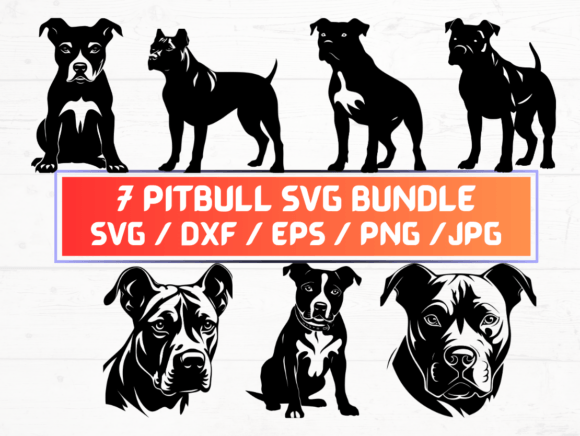
For digital product sellers, the inclusion of SVG, EPS, DXF, PNG, and JPG files means you can repurpose smartly — create printable mockups, layer it into branding kits, or adapt it for laser-cut wood signs or vinyl decals. But remember: this is a graphics asset first. Before listing finished embroidered items for sale, verify licensing terms — the listing says “INSTANT DOWNLOAD” but doesn’t specify commercial use rights. Always double-check before selling physical products or reselling digital derivatives.
Designer Notes You’ll Actually Use
- Test first — Run a sample on scrap fabric matching your final project’s weight and stretch.
- Check thread contrast — View your chosen thread colors against both light and dark fabric swatches before stitching.
- Review stitch density — If your machine struggles with tight fills, consider simplifying inner details or switching to a looser fill pattern.
- Confirm hoop size — Measure the design’s widest point in your embroidery software; add ¼” buffer for hooping ease.
- Inspect corners and curves — Zoom in on vector paths — jagged nodes or overlapping anchors cause skipped stitches.
- Mock it in black and white — A grayscale preview reveals balance issues invisible in color.
- Match stabilizer to fabric — Tear-away for stable wovens, cutaway for knits, fusible for lightweight linens.
- Verify dual-use rights — Confirm whether the Pitbull SVG File permits commercial embroidery and resale of finished handmade products.
Final Thought: A Craft-Business Workhorse
This isn’t just another dog-themed graphic. The Pitbull SVG File functions like a reliable tool — adaptable, legible, and expressive without demanding perfection from your machine or materials. It fits naturally into the workflow of embroidery designers, Etsy sellers, and small shop owners who balance creativity with consistency. Whether you’re building a cohesive line of pet-inspired crafts, refreshing your holiday embroidery collection, or sourcing dependable graphics for client apparel projects, this file earns its place in the working library — not as a novelty, but as a quietly capable design asset.